Subdivision Engineering for Smarter Infrastructure
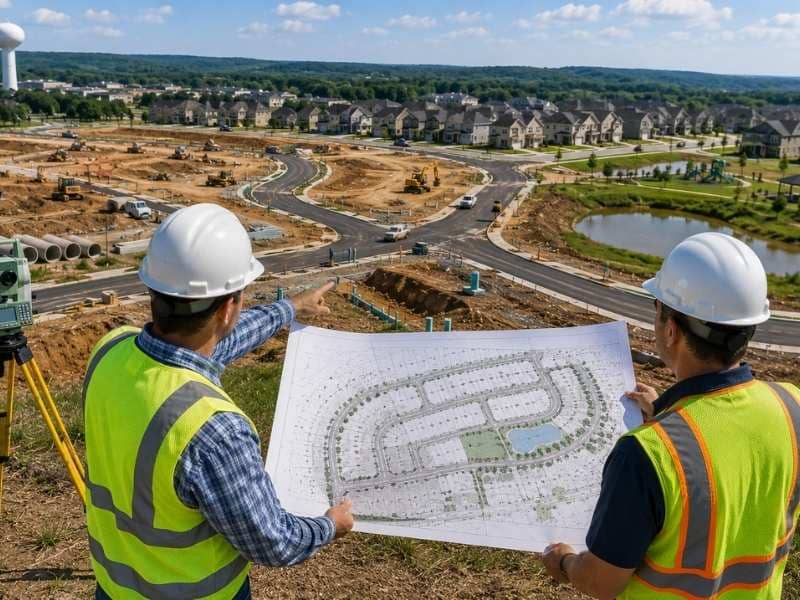
Subdivision engineering turns raw land into a working neighborhood. It plans the roads. It plans the water lines. It plans the drainage. In fast-growing areas, where new neighborhoods keep popping up, this work matters more every year. Good engineering means fewer problems once families move in.
Subdivision Engineering Starts with a Strong Plan
Subdivision engineering begins long before any digging starts. Engineers look at the whole site. They plan where the lots will go. They plan where the roads will run. They plan where parks or open space will sit. This early planning sets the shape for everything that comes after.
A strong plan makes the rest of the project easier. When the lots, roads, and open space all fit together well, builders run into fewer surprises. Crews can move faster because they know exactly what comes next. A weak plan, on the other hand, often leads to changes mid-project. Those changes cost time and money that a good plan could have saved.
Subdivision Engineering Connects Roads and Utilities
A neighborhood needs more than just roads. It needs water lines. It needs sewer lines. It needs storm drains to carry rain water away safely. It needs sidewalks so people can walk safely. Subdivision engineering plans all of these systems together, not one at a time.
This matters because these systems share the same space. A water line and a sewer line often run near each other under the same street. If engineers plan them apart, the pieces can clash once crews start digging. When engineers plan roads and utilities as one system, everything fits together the first time. This saves money and keeps the project on schedule.
Subdivision Engineering Supports Fast-Growing Communities
Many communities keep growing, and new neighborhoods keep springing up around them. This growth is good for the area, but it also puts pressure on roads, water systems, and sewer lines. Subdivision engineering helps new neighborhoods grow the right way, without straining the systems already in place.
Engineers check if nearby roads can handle more traffic from new homes. They check if water and sewer systems have enough capacity for more houses. When a system is close to its limit, engineers plan upgrades to handle the added load. This kind of planning helps new neighborhoods support future homes and businesses without breaking down the systems that already serve the area.
Good Subdivision Engineering Helps Avoid Problems
Many of the worst problems in a new neighborhood start small and grow big. A drainage issue that seems minor on paper can flood yards once homes are built. A utility line placed in the wrong spot can force a costly rework later. Good subdivision engineering catches these problems early, while they are still just lines on a plan.
Finding problems early saves real time and real money. It is much cheaper to fix a plan than to fix a street that has already been built. Engineers who study drainage patterns, utility routes, and site conditions closely help a project avoid delays. This careful work keeps a project moving forward instead of stopping to fix mistakes.
Smart Subdivision Engineering Builds Better Neighborhoods
The best neighborhoods work well because of the engineering behind them. Safe roads help families and visitors get around without trouble. Reliable water and sewer lines mean fewer breakdowns and repairs. Good drainage keeps yards and streets dry, even after heavy rain.
These features do not show up in a real estate listing, but people feel them every day. A neighborhood built on smart engineering holds up well for many years. Roads stay in good shape. Utilities keep working without constant fixes. Good subdivision engineering is the reason a neighborhood still works well long after the last house is built.
Frequently Asked Questions
What is subdivision engineering?
Subdivision engineering is the process of planning roads, utilities, and drainage for a new neighborhood. It turns a piece of land into a working set of streets and systems. The goal is a neighborhood that is safe, reliable, and easy to build.
Why is subdivision engineering important?
It decides whether a neighborhood works well or runs into constant problems. Good engineering means roads, water lines, and drainage all fit together the right way. Poor engineering can lead to flooding, utility conflicts, and costly repairs down the road.
When should subdivision engineering begin?
As early as possible, ideally before construction plans are finished. Early engineering work can reveal problems while they are still easy and cheap to fix. Starting late can mean costly changes once building has already begun.
Who prepares subdivision engineering plans?
A civil engineer usually leads this work. They often work with surveyors and other specialists to plan the roads, utilities, and drainage together. Local officials also review these plans to make sure they meet area rules.
How does subdivision engineering improve infrastructure?
It makes sure roads, water lines, sewer lines, and drainage all work together instead of causing conflicts. This careful planning helps a neighborhood run smoothly for many years. It also helps new growth fit into existing systems without straining them.