Civil Engineer Planning for Fast-Growth Projects
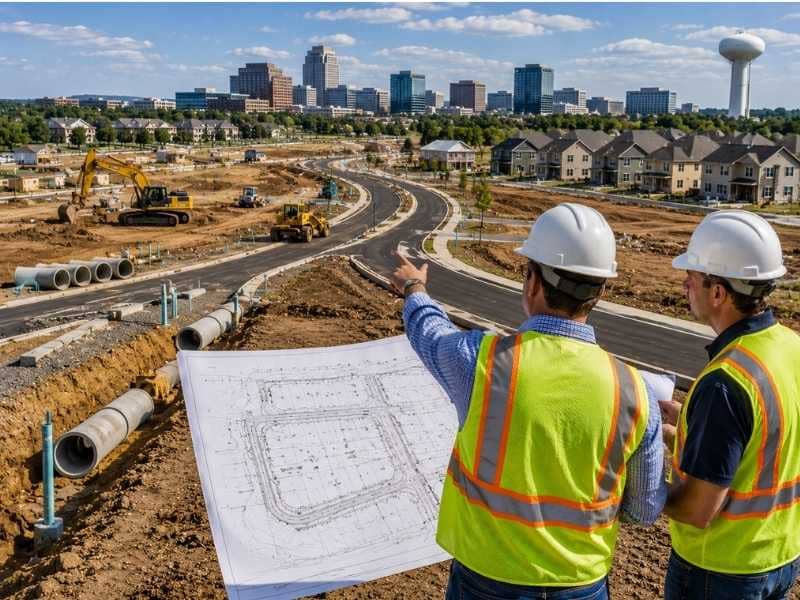
A civil engineer helps turn raw land into a working neighborhood. They plan the roads. They plan the pipes. They plan the ground where homes and stores will sit. In a fast-growing area, this work matters more than ever. Good planning keeps new projects on time and on budget.
A Civil Engineer Helps Plan Every Project
A civil engineer takes a builder’s idea and turns it into a real plan. They design the roads. They design the water lines. They design the sewer pipes. They design the flat pads where buildings will sit. Each part of the plan touches the other parts. A change in one spot can affect many other spots.
This is why planning comes first. A good plan tells workers what to build and when to build it. It helps crews avoid mistakes. It helps a project finish faster. Without a good plan, work can stop and start. That costs time and money.
Civil Engineer Site Checks Help Prevent Problems
Before any digging starts, a civil engineer studies the land. They check the slopes. They check the soil. They check how water moves across the ground. Some land looks easy to build on but hides soft soil below. Some land needs extra work to keep water away from homes.
These checks matter a lot. They help builders avoid bad surprises. If the land has a problem, the engineer finds it early. Then the team can fix the plan before work begins. This saves money. It also keeps the project moving forward without delays.
Civil Engineer Services Support Fast-Growing Communities
Many areas are growing fast. New homes go up every year. New businesses move in too. All this growth puts pressure on roads, water lines, and sewer systems. A civil engineer helps make sure new projects fit into this growth the right way.
They check if roads can handle more cars. They check if water and sewer lines can handle more homes. Sometimes a new project needs to add a turn lane. Sometimes it needs a bigger pipe. A civil engineer plans for these needs early. This helps a growing community expand without straining its streets and utilities. It keeps traffic moving. It keeps water and sewer systems working well for everyone.
Civil Engineer Plans Help Speed Up Project Reviews
Big projects need approval from local offices. These offices check roads, drainage, water lines, and more. Each part of a project may need its own review. A civil engineer prepares clear plans for every review. This helps the whole approval process move faster.
When plans are complete and correct, reviewers have less to question. This means fewer delays. In a fast-growing area, review offices are often busy. A clean plan can help a project move to the front of the line instead of waiting behind others.
Civil Engineer Planning Creates Stronger Communities
Good planning today builds a stronger community tomorrow. A civil engineer designs roads, pipes, and drainage systems to last for many years. They think about the homes and businesses that will come later, not just the ones being built now.
This kind of planning saves money down the road. Systems built to handle future growth need fewer repairs. Roads built wide enough now do not need rebuilding later. A civil engineer’s work today shapes how well a community works for decades to come.
Frequently Asked Questions
What does a civil engineer do?
A civil engineer plans roads, water lines, sewer systems, and building sites. They turn a builder’s idea into a real, working design. Their plans guide the whole construction process.
When should I hire a civil engineer?
Hire one as early as possible. The best time is before you buy land or lock in a plan. A civil engineer can check if the land will support your goals before you spend money on the wrong site.
Why is a civil engineer important for new development?
They make sure a project actually works once it’s built. They plan the roads, pipes, and land so everything fits together. Without this work, a project can run into costly problems during construction.
Can a civil engineer help with permits?
Yes. A civil engineer prepares the plans that permit offices need to approve a project. They also manage the many reviews a project may face, which helps keep the approval process on track.
How does a civil engineer help growing communities?
They plan roads and utilities that can handle new homes and businesses. In fast-growing areas, this planning helps keep traffic light and utilities strong, even as the population grows.