
Construction Project Management Behind the Scenes
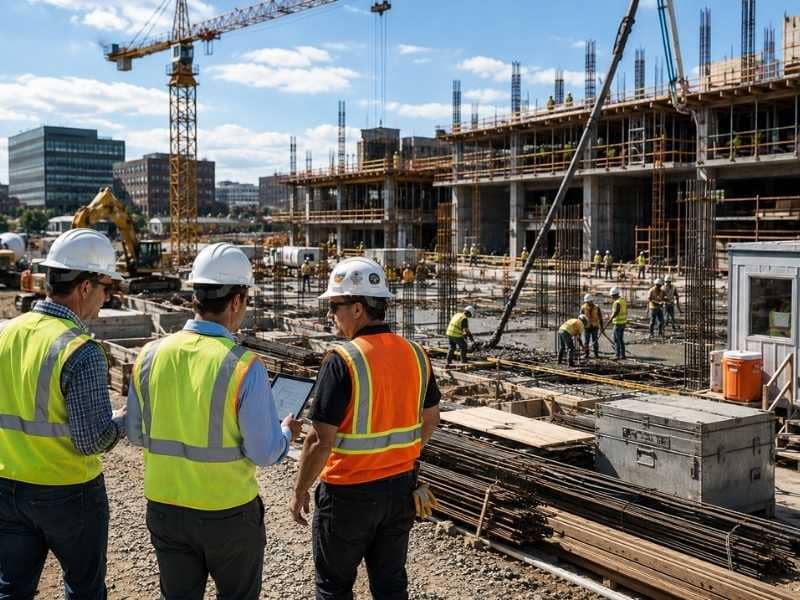
A finished building looks simple from the outside. Behind it sits months of planning, hundreds of decisions and a lot of careful coordination. Construction project management is the work that holds all of that together, and most of it happens out of sight.
The person running this work keeps a project on track from start to finish. They line up the schedule, watch the budget and solve problems before they grow. Here’s a look at what that job involves once the plans are set.
The Phases That Move a Project From Plan to Completion
Every project moves through clear stages. The first is preconstruction. The team plans the work, prices it out and lines up permits before anyone breaks ground. This stage sets up everything that follows.
Next comes procurement. The manager orders materials and hires the trades who’ll do the work. Timing matters here, since a late steel order can stall a job for weeks.
Then the building starts. Crews pour, frame and finish while the manager keeps the pieces in sync. Closeout wraps it up with final checks, paperwork and the handoff to the owner. Each stage feeds the next, so a slip early on shows up later.
How Schedules Keep Crews, Materials and Money Aligned
A schedule is more than a calendar. It maps out every task and shows which jobs depend on others. You can’t hang drywall before the wiring passes inspection. The schedule keeps that order straight.
Most managers build around the critical path. That’s the chain of tasks that sets the shortest possible timeline. If one of those tasks slips, the whole finish date slips with it. So the manager watches those items like a hawk.
Good scheduling also keeps crews and materials from colliding. Workers show up when there’s work for them. Materials arrive just before crews need them. When the timing clicks, money stops leaking on idle days and rush orders.
Controlling Budgets When Conditions Change
No project goes exactly to plan. Prices shift. Weather hits. A wall opens up to reveal a problem no one expected. Strong construction project management plans for that from the start.
The manager builds the budget on careful estimates, then sets aside a contingency for surprises. When a change comes up, they price it, document it and fold it into the plan. This keeps a small surprise from blowing up the whole budget.
Tracking spend against the plan is the daily grind. The manager compares what’s gone out to what’s left, week after week. Catch an overrun early, and you can adjust. Miss it, and the project bleeds money before anyone notices.
The Paper Trail That Prevents Disputes
Documents might be the least glamorous part of the job. They’re also one of the most important. Good records protect everyone when memories fade and stories don’t match.
The manager tracks requests for information, called RFIs, when plans need clarity. They log submittals, which confirm that materials meet the spec. Daily logs capture weather, crew counts and what the crews finished. Each note builds a clear history of the job.
This trail does real work when a dispute comes up. A dated log can settle an argument about who caused a delay. Clear records often stop a fight before it starts. I’d take an hour of paperwork over a lawsuit any day.
Managing Risk, Safety and Quality on Site
A job site holds real danger. Heavy equipment, heights and shifting loads can hurt people fast. The manager makes safety the first rule, not an afterthought. A solid safety plan protects workers and keeps the project moving.
Quality runs right alongside safety. The manager checks that the work matches the plans and the code. Inspections catch sloppy work early, while a fix still costs little. Letting it slide only invites bigger problems later.
Risk management ties it together. A good manager looks ahead and asks what could go wrong. They spot the weak points and deal with them before they turn into delays or injuries. That habit of thinking ahead is what separates a smooth job from a troubled one.
Frequently Asked Questions
What does a construction project manager do day to day?
A construction project manager spends the day keeping the pieces in motion. They check progress, coordinate the trades and clear roadblocks before they stall the crew. Much of the work is solving small problems fast so the big plan stays on track.
What is the difference between construction project management and a general contractor?
The two roles work closely but aren’t the same. A general contractor runs the physical building and the crews on site. Construction project management covers the broader job of planning, scheduling and budget so the whole effort stays coordinated.
When does construction project management start on a project?
It starts well before the first shovel hits the dirt. The early planning stage puts the budget, the schedule and the permits in place. Getting involved this early helps the whole project run smoother.
How does construction project management keep a project on budget?
It comes down to planning and steady tracking. The manager sets a realistic budget, holds back a cushion for surprises and watches the spending every week. Catching a problem early keeps a small overrun from turning into a big one.